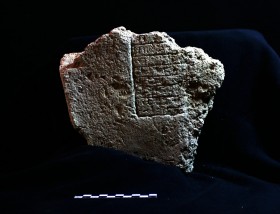
Working in Sumer: the New Italian Archaeological Expedition at Nigin
Working in Sumer: the New Italian Archaeological Expedition at Nigin
Despite Iraq’s troubles, archaeological research continues to expand. The Italian Archeological Expedition to Tell Surghul, ancient Nigin, started in February. The project […]
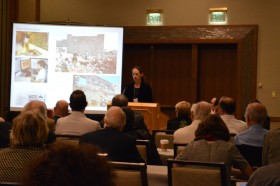
In continuing our discussion on the cooperative agreement between the U.S. Department of State and ASOR, known as the Syrian Heritage Initiative, we’re discussing the preservation projects of the initiative […]
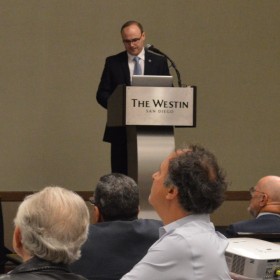
In continuing our discussion on the cooperative agreement between the U.S. Department of State and ASOR, known as the Syrian Heritage Initiative, we spoke with Syrian Heritage Initiative […]

Last year ASOR had two firsts - our first female president, and a $600,000 cooperative agreement with the Department of State. At theASOR Annual Meeting, I sat down with ASOR President […]
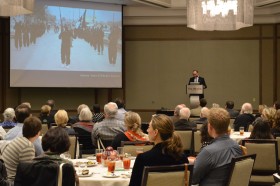
On November 23rd, the Syrian Heritage Initiative hosted a public Symposium at theASOR Annual Meeting in San Diego, CA. The more than 80 attendees included ASOR members, representatives of other groups […]
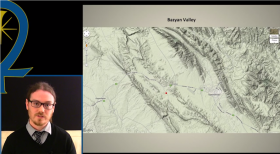
At theASOR Annual Meeting, Steve Renette presented the paper, “Kani Shaie: An Early Bronze Age Center in the Bazyan Valley, Sulaymaniyah,” during the Archaeology of the Kurdistan Region of Iraq […]
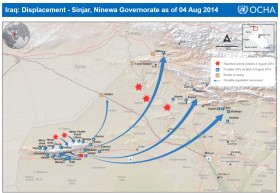
Headlines across media outlets of all types remind us of the troubling events in Syria and Iraq. Yet when reading the stories behind the headlines, it quickly becomes apparent that modern […]
TheASOR Annual Meeting was held in sunny San Diego this year. It was a nice break for the staff from the encroaching cold weather in Boston. The meeting had many great events […]
The tragic events unfolding in Syria and Iraq are taking an immense human toll. But the costs to culture are also mounting. The U.S. Committee of the Blue Shield (USCBS) is a non-profit organization committed to the protection […]
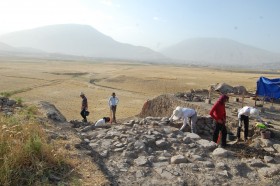
By: Michael Danti War seemed at the doorstep of Kurdistan, but the ASOR-affiliated Rowanduz Archaeological Program (RAP) conducted its second field season of archaeological excavations, surveys, and geophysical prospection in northeastern Iraqi Kurdistan in May and June. Our team from Boston University, the University of Pennsylvania, the universities of Cambridge and Munich, and the […]
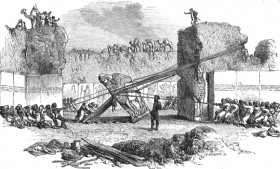
By: Lamia Al Gailani Werr It is ironic that I am writing this article on the centenary of the First World War, while Iraq today is suffering from turbulence that is partly the consequence of that war. Iraq was created by Britain out of the remains of three Ottoman provinces. But the British occupation and […]
In this episode ASOR’s own Ancient Near East Today editor, Alex Joffe talks with Dr. Lawson Younger. Dr. Younger is a professor of Old Testament, Semitic Languages, and Ancient Near Eastern History at the Trinity Evangelical Divinity School.
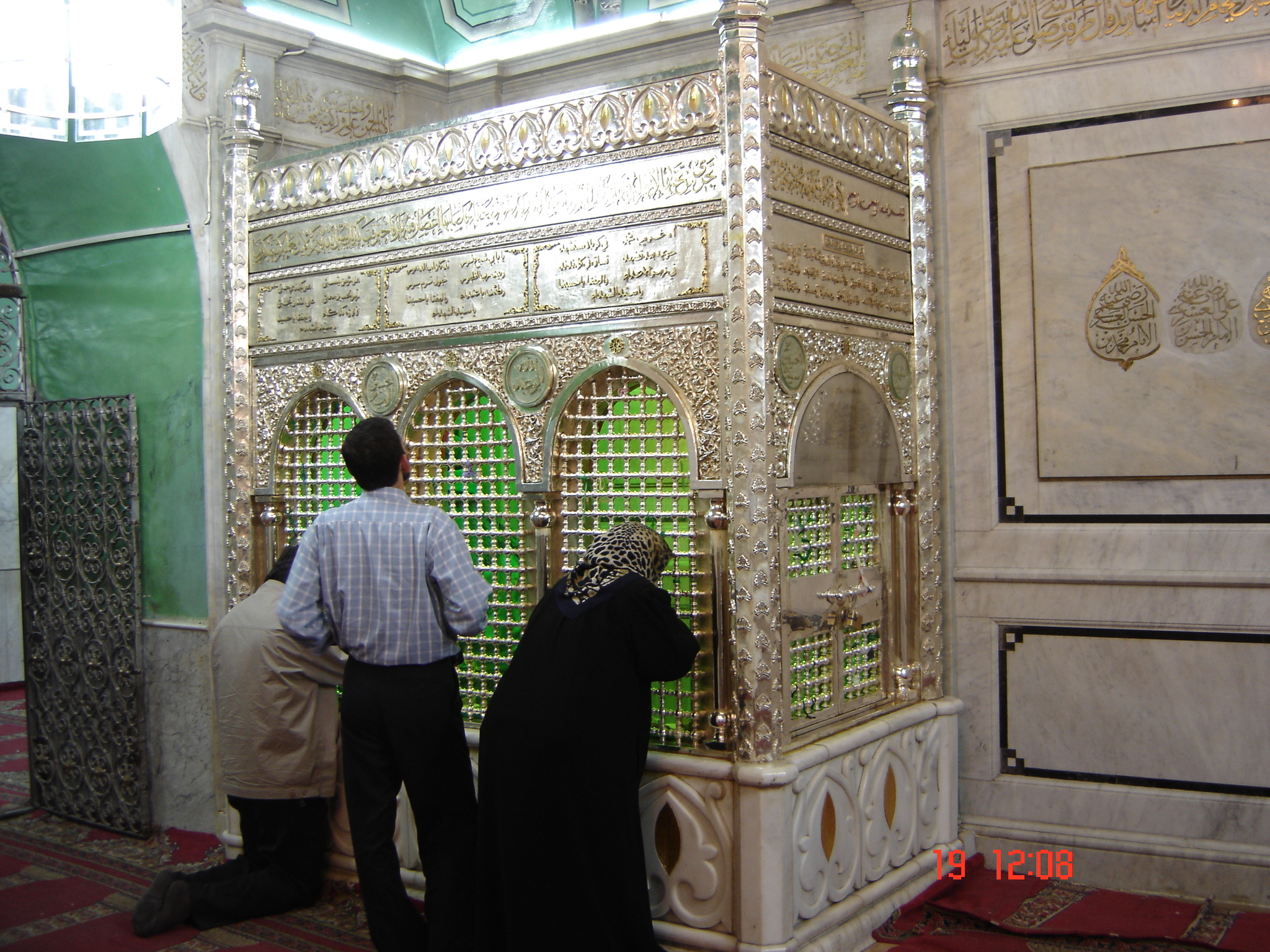
By: Michael Press, Research Fellow at the Center of Advanced Spatial Technologies University of Arkansas In recent years archaeologists have sounded a nearly continual warning about threats to cultural heritage, from artifacts to buildings to sites, in the Middle East. This began with Iraq and now, after the events of the Arab Spring, continues especially […]
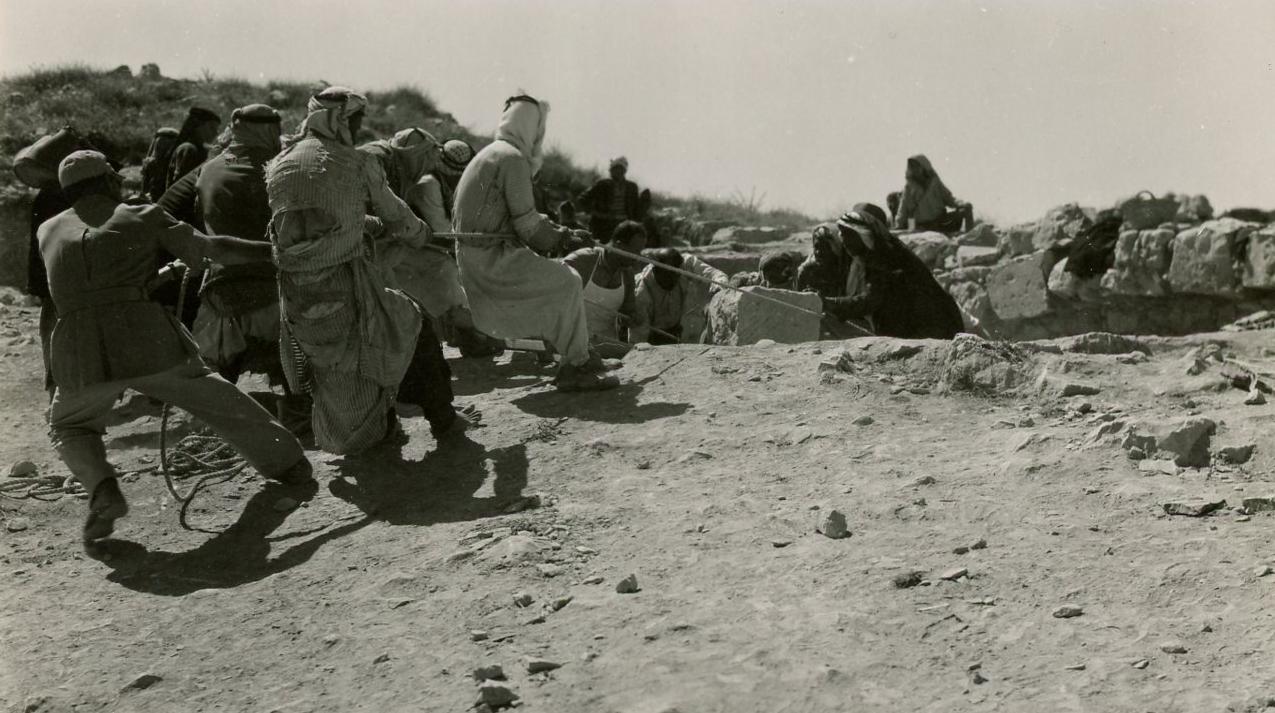
If you missed anything from the ASOR Facebook or Twitter pages this week, don’t worry. We’ve rounded up some of this week’s archaeology news into one convenient post. If we missed any major archaeological stories from this week, feel free to let us know in the comment section! [list type=”icons-book”] A linguistics professor claims he’s decoded 10 words […]
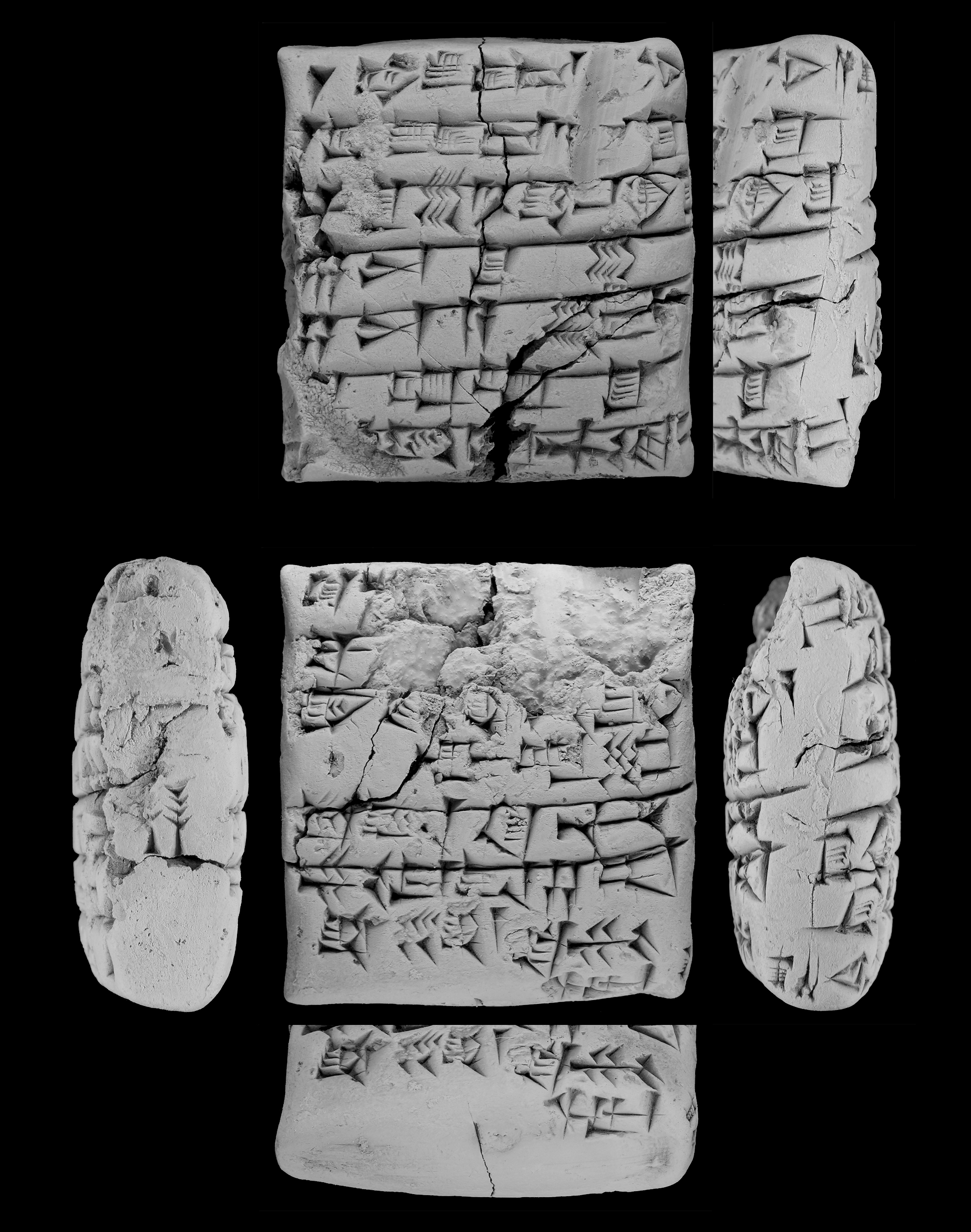
By: Jerrold S. Cooper, Ph.D. Department of Near Eastern Studies Johns Hopkins University I always opposed the publication of looted cuneiform tablets, until I had a sudden epiphany at theASOR meeting in San Antonio. There, archaeologist John Russell, newly returned from Iraq, estimated that tablets were leaving Iraq at the rate of thousands […]
ASOR is delighted to have the opportunity to share a video of the Plenary Address given at ourAnnual Meeting by C. Brian Rose. The video can be found at the bottom of this post. Rose is the James B. Pritchard Professor of Archaeology at the University of Pennsylvania, a past president of the […]
By: Jane Moon The cities of Babylonia, Ur and Uruk, Larsa and Lagash, the very heart of Babylon itself, are the warp-threads of our understanding of ancient Near Eastern civilization. International fieldwork in this seminal area of Southern Iraq petered out in the early 1990s, and in the Ur region, no major excavation had taken […]
By: Daniele Morandi Bonacossi Decades of conflict culminated in the genocidal Anfal campaign waged against the Kurds in 1988 by Saddam Hussein’s regime. Now, the stabilization and autonomy of Iraqi Kurdistan have been accompanied by the development not only of political, economic, and social life, but also education, culture, and scientific research. As a result […]